
When you think of professional feedback, whether or not you’re working in retail, it’s likely an intermittent and even formalized process. Annual performance reviews, monthly one-on-ones, maybe a rewards program, etcetera.
Which is all great! But if you are in retail, they’re part of a much larger picture in realizing the full potential employee feedback has, both for and from your teams. Frontline feedback, in particular, can be a significant lever for business performance and deeper team engagement. And contains so many levels to explore.
Here, we’re focusing on one aspect you can work on now—that every employee will benefit from, even if they joined your team this morning. And will continue to build in value, for store teams and the overall business: frontline learning and development.
Ask an Expert: Cadie Myers on the Power of Feedback for Frontline Learning and Development
Cadie Myers has had an active hand in and front-row seat to the impact of feedback on frontline learning—and how its benefits ripple throughout the business.

As a Senior Product Manager at Zipline, she focuses on transforming how store teams engage with training, ensuring learning sticks and employees are empowered with the knowledge and skills to do their best work. She led product initiatives at several high-growth SaaS companies before joining Zipline, and has over a decade of experience enabling better communication and performance in complex operational environments.
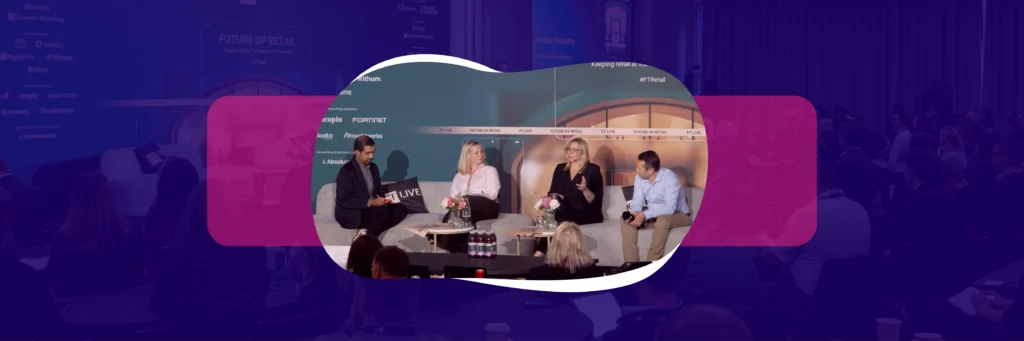
Cadie’s been a major part of shaping Zipline’s Learning solution into a key driver of employee engagement and operational success. Which is why she was a perfect host to lead our recent panel discussion on Launching Learning That Lasts. And why her brain was the obvious choice to pick about the role of feedback in retail L&D. Read our interview below for her advice, straight from the source, and keep scrolling for some real-world examples.
What’s the biggest challenge retailers are facing right now in frontline learning and development?
What comes up most often is compliance-oriented, specifically ensuring frontline employees complete required training on time. The deeper issue tends to be that many traditional learning models/tools simply do not align with the realities of frontline work and operations.
Employees want to grow, feel supported, and build skills that directly impact their performance. When learning is disconnected from their day-to-day work, it rarely sticks.
We’ve seen firsthand at Zipline how learning integrated with the flow of work changes everything. Engagement improves, completion rates rise, and the impact extends beyond compliance. It strengthens teams, increases retention, and leads to better customer experiences in the store.
What are some key things employees need to feel fully engaged and supported in their learning?
Employees need to understand the “why.” How does this training connect to the company’s goals, their team’s success, and their own growth? When employees see that connection, learning feels purposeful and motivating.
Organizations sometimes hesitate to share the bigger picture, but when they do, employees feel included, valued, and supported. That sense of belonging drives engagement.
Clear expectations are also critical. When training is framed as, “We’re doing this to achieve X, and it will help you succeed at Y,” learning feels like a partnership rather than a mandate. That shift changes the level of engagement entirely.
In a recent webinar you hosted, Launching Learning That Lasts, L&D experts touched on the importance of collecting employee feedback. Based on your own experience, why does this need to be focused on?
Without feedback, you’re guessing or making assumptions about what is actually happening in the field. And in frontline operations, guessing leads to missed opportunities.
Employee feedback highlights what is resonating, what isn’t, and how training is experienced in practice. Valuable insights don’t just come from surveys. They show up in team huddles, support tickets, rollout discussions, and everyday conversations.
The key is acting on feedback. When employees see their input drives impactful changes and improvements, it builds trust and ownership. That trust drives stronger adoption and ongoing engagement in the long term.
“Without strong feedback mechanisms, it’s hard to know what’s landing and what’s not with your teams. So giving that some consideration is really important.”
Are there specific types of feedback L&D leaders should be looking for, in terms of valuable insights for them and impact for employees?
Quick wins are so powerful. They show employees that leaders care, are listening, and are responsive. To start, look for low-effort ways to improve that have a big impact.
The most useful feedback, however, is tied to clear program goals. Without defined objectives, feedback can be unfocused. Clear goals allow you to ask more targeted questions, like “We’re seeing ‘X’ challenge which is currently holding us back from ‘Y’—can you help us understand why it’s happening?”
In our experience, less is more. A handful of thoughtful conversations with employees can be just as valuable as a large survey. The goal is to gather feedback that points you in the right direction and helps identify the biggest levers for improvement.
The “Feedback Loop” is something more businesses are implementing for optimal store operations. What does this look like in the context of frontline learning, training, and ongoing development?
The feedback loop in learning mirrors what we’ve seen work best in store operations: clear communication, active feedback, and alignment between HQ and the field.
When employees are informed, empowered, and given opportunities to grow with clear ties to business goals, the entire organization benefits. The strongest retailers we work with treat feedback as part of their culture—not a once-a-year exercise.
And empathy is key. Feedback is not criticism, though it can feel that way. It’s often the clearest answer to the challenges teams are facing. Organizations that really listen and respond to frontline feedback tend to grow stronger, more resilient, and become more effective.
Do any examples of this being implemented, and the difference it’s made, come to mind?
Yes. One customer was struggling to get frontline employees to complete training. Feedback revealed the way content was delivered did not match how associates at their organization preferred to learn.
By listening closely, the organization discovered that shorter, mobile-friendly video content fit better into the flow of a store associate’s day. Employees could engage with content in small chunks, between helping customers or during short breaks.
After shifting to this approach, our customer saw a 50% improvement in adoption rates, with training completion consistently over 90%. It was a powerful reminder that listening and adapting to the frontline can unlock measurable results.
If you could tell retail L&D leaders one thing heading into 2026—a prediction, something to invest in, or generally focus on—what would it be?
Keep it simple: ask your people what they need. What do they need to know, learn, or practice to do their jobs well and deliver the outcomes the business expects?
We’ve been talking about AI a lot lately, and it will absolutely help with operations and training, but it cannot replace a culture built around people and experiences. As automation takes over the repetitive tasks, what remains are human interactions, creativity, and problem-solving on the frontline.
Organizations that prioritize people-first learning strategies will not only see better results today, they will build a lasting competitive advantage and experiences people want to come back for again and again.
How Two Retail L&D Pros Are Using Feedback to Its Fullest
Our Launching Learning That Lasts webinar welcomed two retail learning and development leaders, Stephanie Mothershed of Hollywood Feed, and Kaylen Combs of Tecovas, to share their boots-on-the-ground strategies for creating learning programs employees love—and knowledge building that lasts. For both, the role feedback played was essential to meaningful success.
“Gathering feedback is so important—it’s how you know if you’re doing it right,” Stephanie emphasized as she laid out her L&D fundamentals.
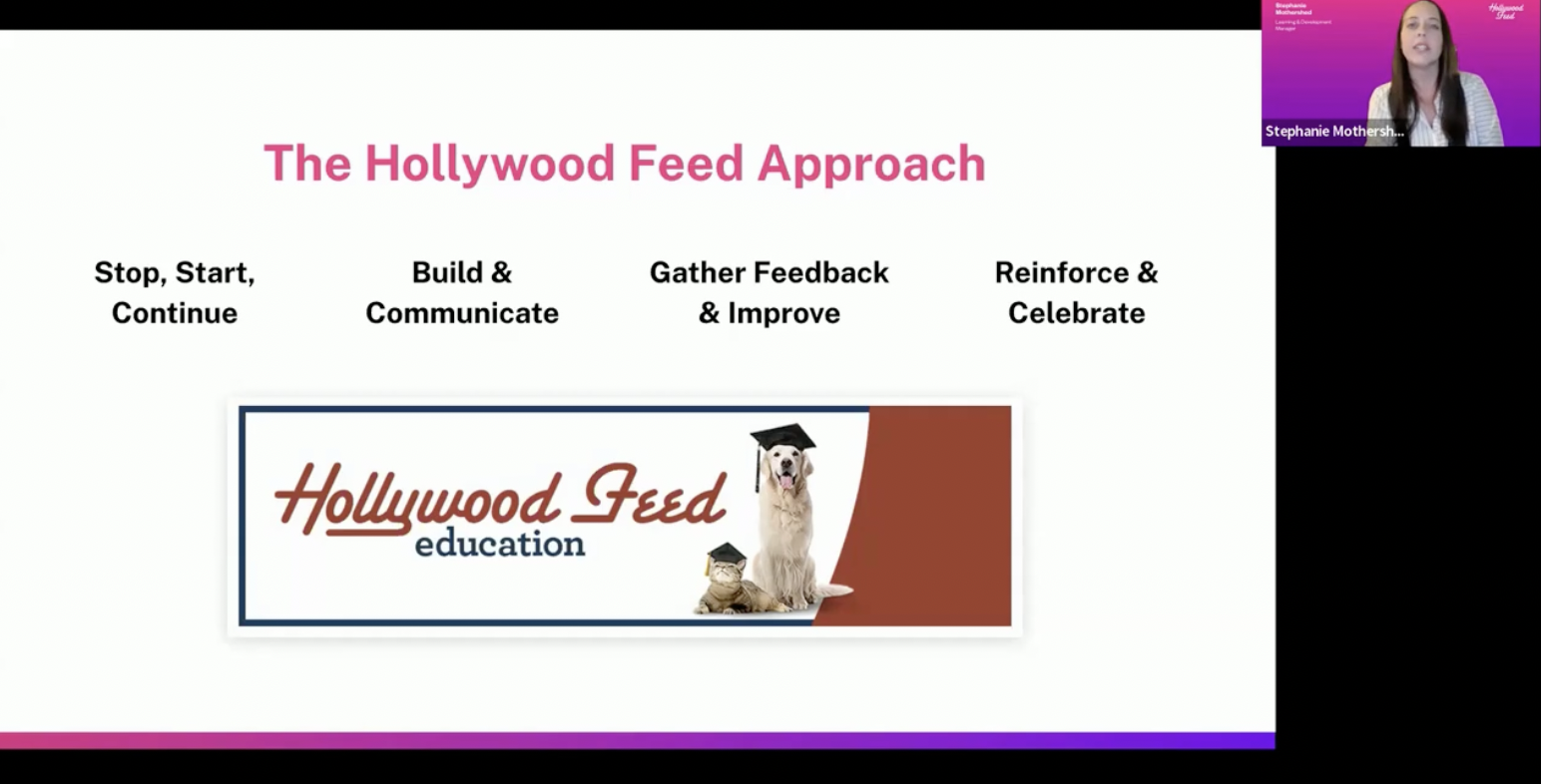
They started out using help forums to gather that feedback, in conjunction with their employee communications. When frontline workers read a message, they were able to post questions or comments in the moment. This collected timely and relevant feedback that managers and L&D leaders could easily access, anytime, and gave employees a quick, clear avenue for their voices to be heard.
“The more clicks we require, the more time our associates are away from customers. Help forums were a big win for us to learn how to improve, not only our communications, but also take these points into consideration for updating our messaging and our courses,” she explained.

They also used Groups to host Q&A sessions, with different ones dedicated to different topics. These acted as open channels to gather questions that would be compiled for a live discussion. And when Learning Events for education and training were launched in Zipline, they jumped on the opportunity to include and gain insights from them.
“With our new regular use of Events, our operations partners were able to see their value and are now starting to use them for our weeklies and manager calls.”
Meanwhile, Kaylen focused on feedback’s importance to effectively and successfully rolling out a new learning and development program. But really, her advice could be applied to any type of launch or effort to influence internal behavior.
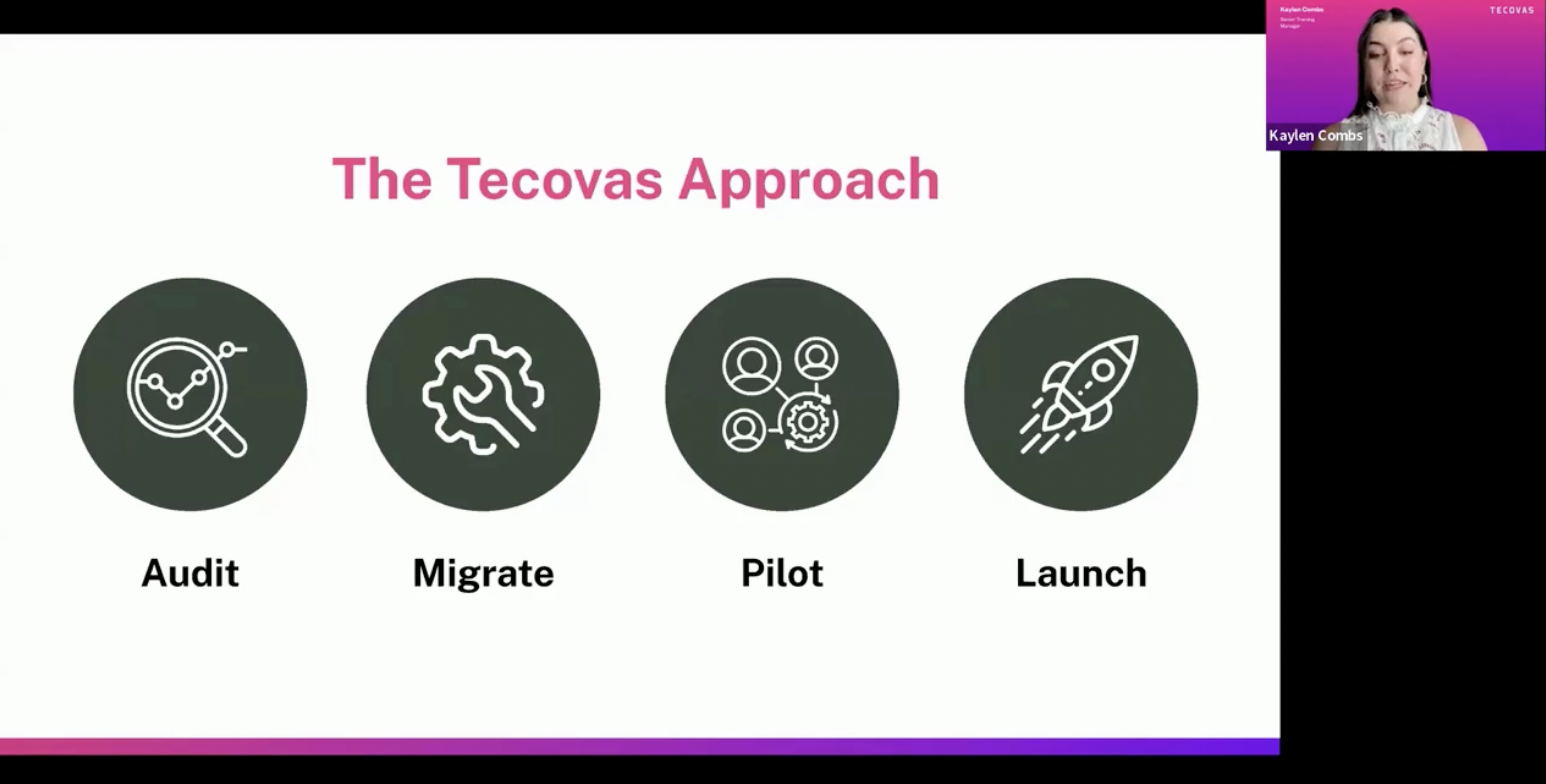
“We knew field feedback would be essential in order to gain any sort of buy-in for making learning a new part of the daily routine,” she began. “So creating a pilot program was a critical step in discovering our Zipline champions in the field and finding ways of integrating [it] into what was already working—rather than trying to reinvent the wheel.”
Feedback was baked into each phase of the rollout process, with clear guidelines and channels for providing it that would be most helpful at that stage. As part of their audit, they looped in retail project managers with a kickoff email that explained what they were doing, why, who was in charge, and how progress would be tracked. Then followed it up with a review, demo, and Q&A.
“It was sort of a decision tree that each person could use as they were auditing the resources,” she continued. “Is it still relevant? If yes, how do [we] continue to refine that resource to make it the best it can be?”

When it came time to execute, Kaylen and the Tecovas team knew centralization would be a driving factor in keeping everything clear, efficient, and manageable.
“We were gonna need a lot of hands…and a centralized place to share all of those files, assign peer reviewers, and track progress. This removed the need for one-off emails or direct messages…and gave all partners the visibility they needed to manage their time and resources.”

Once the content was audited and migration was complete, peer reviewers from various departments were assigned for a fresh look and to catch anything the L&D team may have missed. Coupled with communication spaces dedicated to open feedback.
“We found it really helpful to set up a more casual communication channel for posting and answering questions, sharing milestones, and most importantly, recognizing team members, which kept everyone really engaged throughout the project,” Kaylen enthused.
While the pilot group got their own channel for targeted feedback on the live program. They used a single form to submit any questions, errors, or suggestions so it could be accessed and collected all in one convenient place.
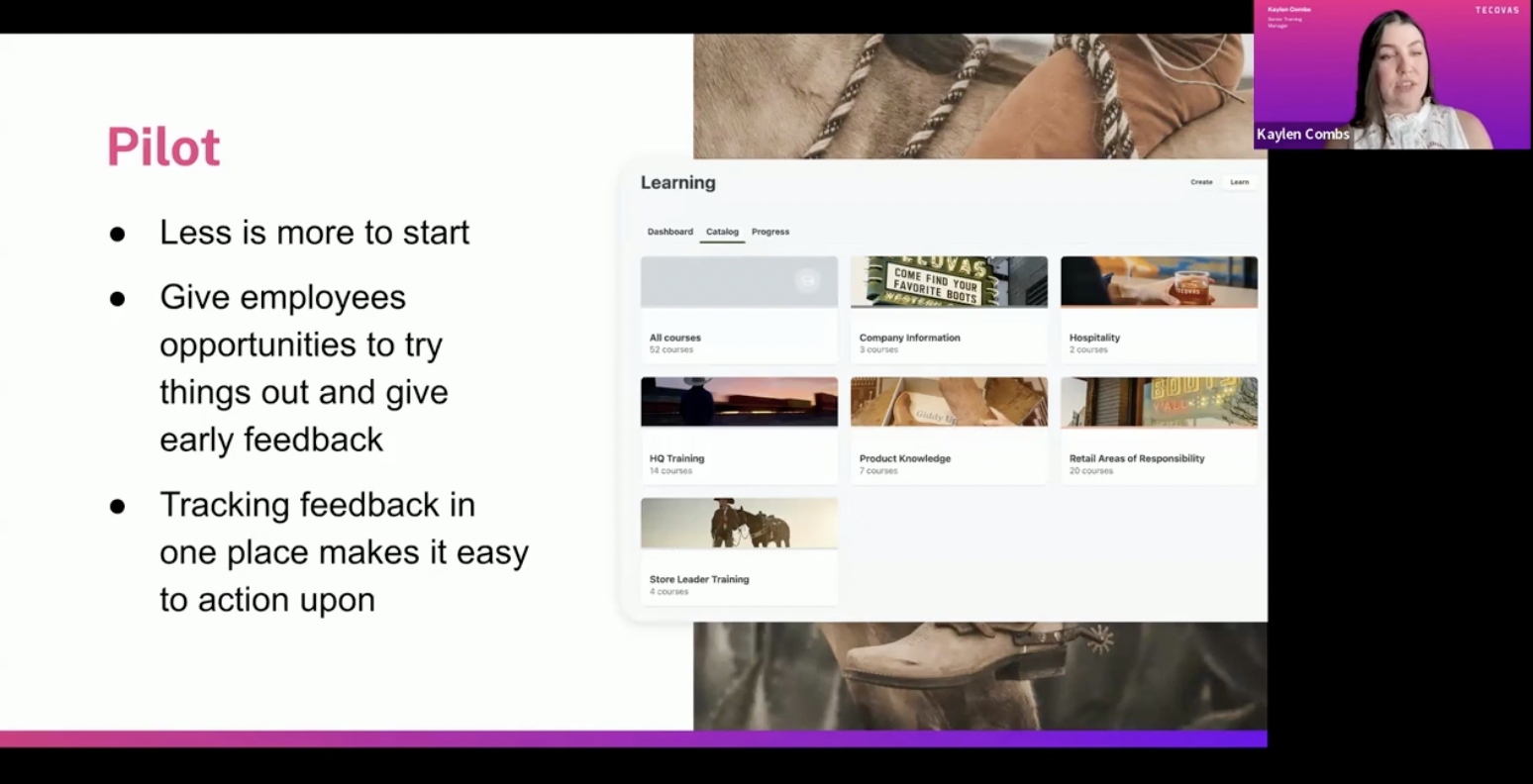
This pilot strategy not only allowed for a focused and optimized program launch, it made onboarding new team members a breeze. And added them as fresh reviewers.
“We were running the pilot during a busy season when we had numerous store openings planned, and this made sure we had full teams onboarding and testing the learning part of the platform,” said Kaylen. “So while our existing stores were mostly getting familiar with messages and the Day Sheet and other parts of Zipline, those new teams got very well acquainted with learning the right way.”
Learning More About Learning Feedback and Beyond
Stephanie, Kaylen, and Cadie covered so much more about the whats, whys, and how-tos of feedback—and so much more than it—in their discussion on building learning and development with real depth and longevity. Too much to cover in one blog post, that’s for sure.
If you’re curious to hear their thoughts on building truly engaging learning content, driving program adoption, and what’s worked (and hasn’t) for them in the past, watch the full webinar recording here. No email or signup required.
When it came to feedback, Cadie summed it up well: “Anticipating feedback up front, not only after you’ve launched, but throughout the process, and building in some of those feedback mechanisms along the way, will really help with the success of your programs…building and monitoring those feedback loops, continuing to nurture them, communicating progress, and celebrating wins.”