
When more than a quarter of store-level initiatives fail, it’s clear we’re dealing with a systemic problem, not one-off slips. That’s one of the key findings from our survey of over 225 retail leaders and managers.
The survey paints a clear picture of how fragmented communication and task management erode execution at scale.
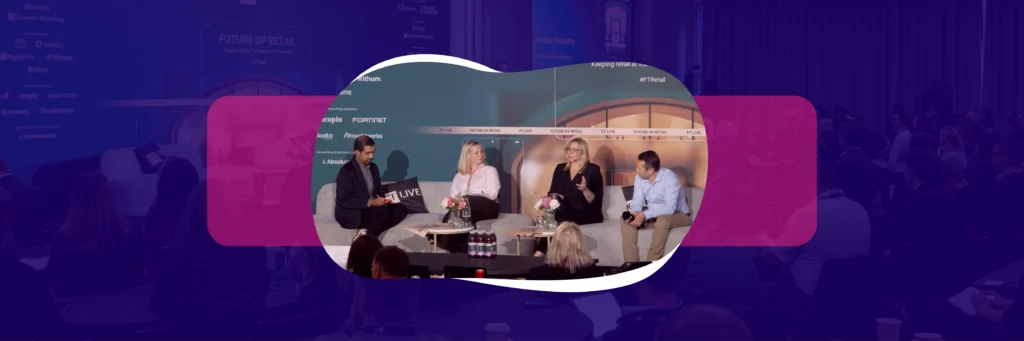
In a recent webinar by Zipline and Retail Dive, Carmen Emard, Regional Manager at Arc’teryx, Cory Jackson, Senior Manager at Clarkston Consulting, and Adam Carlon-Phillips, Manager of Customer Success at Zipline, drew on years of firsthand experience to put the findings to the test.
Together, the three retail experts unpacked what’s really driving the execution gap and what it takes to close it.
When HQ and stores see different realities
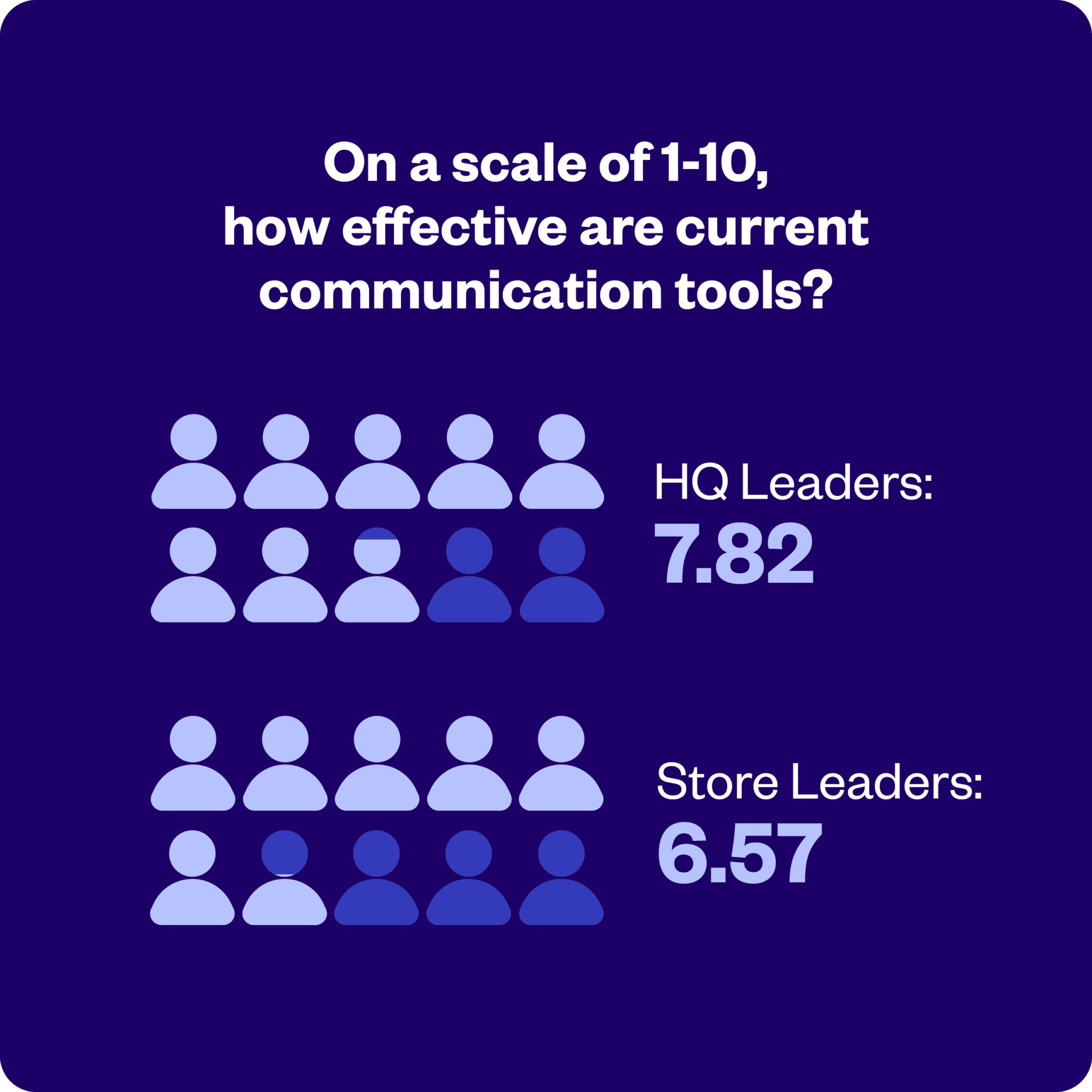
Our survey puts a number on something many retailers sense but rarely quantify: corporate leaders rated their understanding of store operations at 9.13 out of 10, while store leaders rated HQ’s understanding of their reality at 5.67.
That gap isn’t accidental.
Cory Jackson points to groupthink: strategies get shaped, refined, and aligned within HQ, where everyone gets a shared understanding that feels clear from the inside. The problem is, this picture rarely survives contact with the store floor.
Different formats, different regions, different teams. What feels clear at HQ turns out to be muddy on the frontline, Jackson highlights.
This isn’t a store-side failure
Carmen Emard has seen firsthand how quickly communication volume outpaces a store’s ability to process the information and prioritize it.
“It doesn’t come from our teams not working hard,” Emard said. “Our teams are super resilient in the field.”
What the frontline lacks is clear priorities.
Initiatives arrive from across HQ departments—often multiple times a day, with no coordination between them and no explanation of what matters most or why. Frontline leaders are left to manage priorities on their own, and that guesswork creates a lot of pressure on the store floor, Emard says.
“It doesn’t come from our teams not working hard. Our teams are super resilient in the field.”
The communication tools are making it worse
Communication tools are supposed to close the loop between HQ and stores—bringing prioritized direction to the floor and carrying day-to-day reality back up. With 81% of retailers still relying on email as their primary channel, according to our survey, they’re doing neither.
Having held operations and communication roles across several retail brands, Adam Carlon-Phillips emphasizes why email fails store execution:
- It has no visibility—there’s no way to confirm who received a message, who read it, or whether the work got done.
- It has no center of gravity—information is scattered across threads, with no single place for teams to find what they need.
Carmen Emard saw the consequences firsthand when her organization removed a dedicated communications platform and went back to email.
Store managers were opening their inboxes to dozens of messages before they even stepped onto the sales floor—from payroll, from visual merchandising, from brand marketing—each with different requests and different timelines.

What alignment looks like in a big retail organization
Some days, the cost of misalignment is a missed promotion. Other days, it’s a store that can’t open its doors.
Cory Jackson has led digital transformations where dozens of stores go offline overnight, get fully renovated, and need to be open by 6am. That kind of execution, he argues, is only possible when everyone is aligned on the same metrics—and knows when those metrics shift.
During a rollout, the only thing that matters is: did the stores open on time? Once they do, it becomes: is the new technology working? Then the business moves back to financial performance—margins, revenue, business as usual.
Three different priorities, potentially within the same week. “You may think the priority is still making sure the store opens on time when we’re at the end of the weekend,” Jackson said, “management has already shifted to margins.”
When teams aren’t aligned on that transition, they keep performing to the wrong standard with confidence.
Unanimous solution to the execution gap
The three experts agree: the solution isn’t a new tool or better emails—it’s a system that makes better communication the default.
“We often put new technologies into our ecosystems, and we think the technology is going to do the work. But we have to do that with a strategic mindset in place and change management being at the forefront of it, making sure that everyone is trained and has an understanding of how this tool is going to work,” said Cory Jackson.
The right system, in practice, starts with a single source of truth built for retail—one place where HQ communication and store tasks live together.
But even the right platform fails without two things: the right timing and a clear why behind every directive.
Carmen Emard has seen strong initiatives land badly simply because they all arrived at once, with no room for teams to absorb one before the next hit. But even when timing isn’t perfect—and in retail, it rarely is—a well-explained why gives teams what they need to prioritize on their own.
The last piece that should close the execution gap is a feedback loop. Frontline teams need to know their reality can reach HQ — and HQ needs to actually receive it.
Right now, 70% of store leaders don’t believe they have a way to surface their concerns upward. That silence just widens the execution gap by driving frustration and, ultimately, turnover.
“We often put new technologies into our ecosystems, and we think the technology is going to do the work.”
From communication to morale…
The new system gives frontline teams more than clear direction—it gives them an understanding of their work and its purpose. And that, more than any tool or process, is what drives employee engagement.
“When we take the time to connect an initiative back to why it matters,” Emard said, “our teams show up differently.” Better communication, in the end, isn’t just an operational upgrade. It’s what makes the work feel meaningful.