Retail transformations usually get framed as big, visible shifts: a new strategy, a new experience, a new way of selling.
But the transformation that actually sticks is much quieter. It shows up as store teams getting what they need, understanding what matters, and acting on it quickly—ideally before the next rush hits and the day goes sideways.
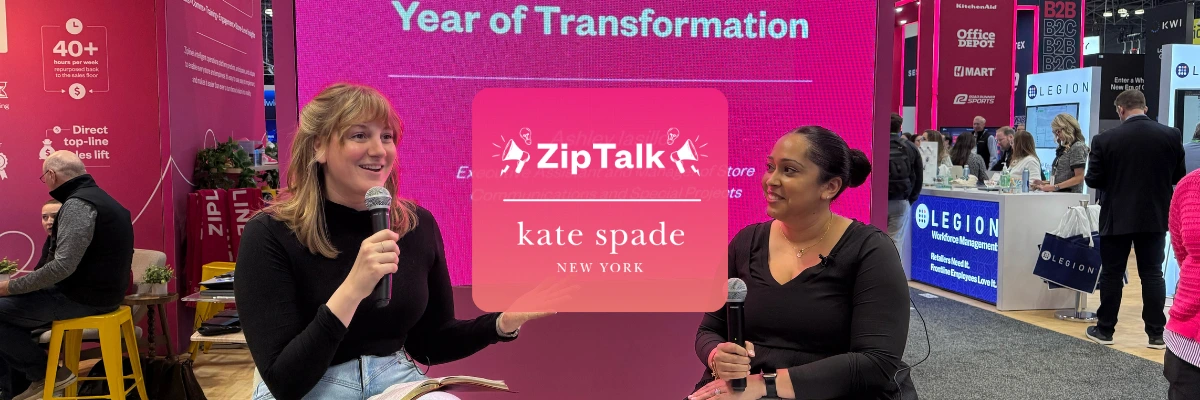
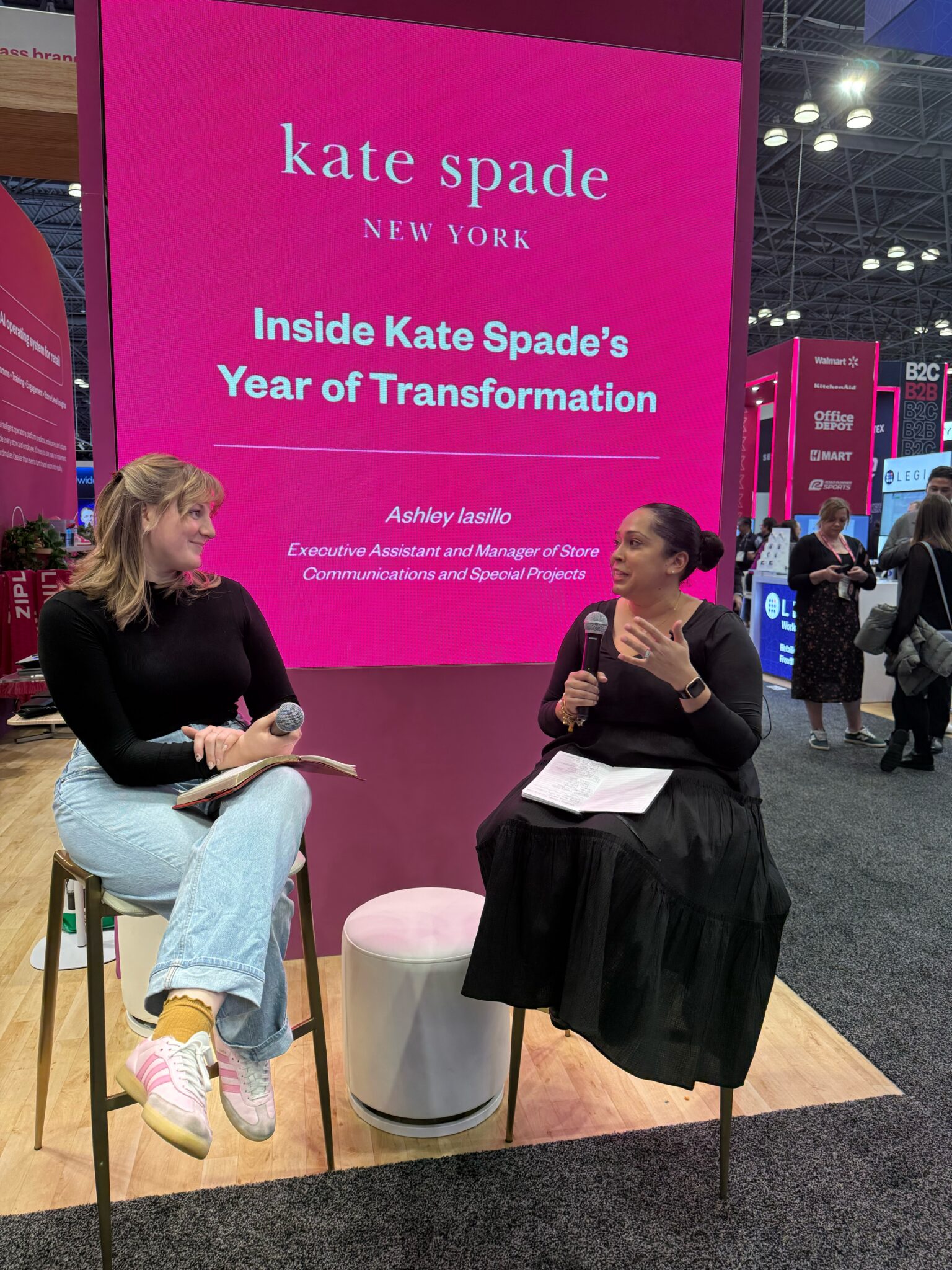
That was the heartbeat of what Ashley Iasillo, Executive Assistant & Manager of Store Communications and Special Projects at Kate Spade, calls their “year of transformation.”
With 20 years in retail and a career that began in stores, Ashley knows the reality behind the org chart. She has lived experience of what it feels like when communication accelerates a team. And when it becomes one more hurdle between associates and the customer.
The problem wasn’t effort. It was about access.
Before Zipline, Kate Spade was communicating everything. They were doing what most teams do when the business is moving fast: sending updates, sharing priorities, trying to keep everyone aligned.
But all that communication just wasn’t getting through. Not because stores didn’t care, or that HQ wasn’t trying.
The issue was where the information landed and who it actually reached.
As Ashley put it, communication was getting “stuck at the store leadership level.” Which meant the rest of the team wasn’t always able to read what was posted or clearly understand what was needed day to day.
Anyone who has worked in stores can picture what happens next. Leaders do their best to relay the essentials, but the day is busy, the floor is moving, and “I’ll tell you in a sec” turns into “Did you hear about that thing?” then into “Wait, is that still the plan?” The store starts running on handoffs instead of shared clarity. Not because anyone dropped the ball, but because the system made the ball so hard to catch.
Kate Spade didn’t need more messages. They needed a better way for store teams to access the message directly, with less translation and less lag.
The goal: help teams get to the floor faster
Ashley described their business priority as getting “closer to the consumer.” In practice, that meant removing friction between store teams and what they needed to do their jobs well.
With Zipline, she said teams were able to get communication “directed for them,” understand what was needed, and “not have to hear it from somebody else.” In other words, communication started supporting speed, not adding steps.
It’s about “getting our teams everything they need to be on the floor with their customer even faster, and know what they need to know,” Ashley emphasized.
Make the one-stop-shop real
Kate Spade’s current rhythm in Zipline is built around bundling.
Ashley explained that they do a bundle so teams can start the day with a clear, centralized view of what they need, organized by department. And while there are still occasional one-offs, the expectation stays consistent: Zipline is the “one source of truth” for running the business.
“With Zipline, it was exciting to see how we can target those audience levels,” she added.
This matters because consistency is its own kind of change management. When teams know where to go, the cognitive load drops. Less hunting. Less second guessing. Less time spent trying to find the latest version of something.

Reducing noise started at HQ
One of the biggest unlocks didn’t happen in stores.
Ashley and her partners instituted consistent cross-functional Monday calls with all departments to align on what would be published that week. The goal was simple: bundle where possible and streamline what stores receive.
It also became a live training forum. They used it to teach teams how to:
- Publish in two languages (English and French Canadian)
- Use mail merge to target the right audiences
- Ensure part-time associates weren’t “getting twenty comms when they come in for their one shift for the week”
That last point became foundational. Targeting wasn’t a technical feature, it was a strategy to protect store attention.
Because centralizing communication only works if you also reduce noise.
Rolling out a lot without overwhelming the fleet
Kate Spade’s transformation was not a single feature launch. It was a sequence.
Ashley explained their approach as rooted in piloting and champion groups. They focused on “the right audience to test what we’re doing” before scaling to the entire fleet, building a group of superpower users who become the go-to people when change expands.
That mindset shows up throughout their story:
Tasks were an early win because the value was immediate and familiar. Ashley joked that she wanted tasks when she was in stores, because it answers a basic daily question…”what is expected of me when I clock in?”
Daily videos helped create a steady habit of logging in and understanding what is needed, through an engaging medium.
SpadeAssist, their AI support experience, rolled out to a pilot group of training store leaders, because they touch the largest population and support the newest leaders. They piloted in 20 stores, tested real questions teams ask every day, and used learnings to improve policies and content behind the answers.
Hubs came next, starting with a hub for their store leadership conference. The logic was smart: build hub behavior in a high-stakes moment when people naturally want one place to find everything. They paired that with Groups to drive communication and celebration during the event.
Then they took that pattern and applied it to a period every retailer understands: holiday.
Ashley called out the old world of binders, books, printouts, and replacing pages. The holiday hub replaced that with a digital destination where teams could quickly find what they needed without the physical shuffle.
Finally, they expanded into recognition groups, again starting with store leadership to build participation and visibility for leaders, including their VP of Stores.
Each step built adoption while keeping the rollout manageable. Not because the tools are complicated, but because behavior change is real.
What “working” looked like: insight plus real feedback
Ashley described two moments that signaled this transformation was sticking.
The first was data. She pointed to Insights, and the ability to see readership and execution improving month over month. That visibility also changed how leaders spent time. District leaders didn’t have to call stores to confirm completion because they could see progress in Zipline, freeing up time for teams.
“That was like the unlock to see if this is working—teams are engaged, they’re logging in, they’re completing their tasks,” Ashley said.
The second was what store teams had to say.
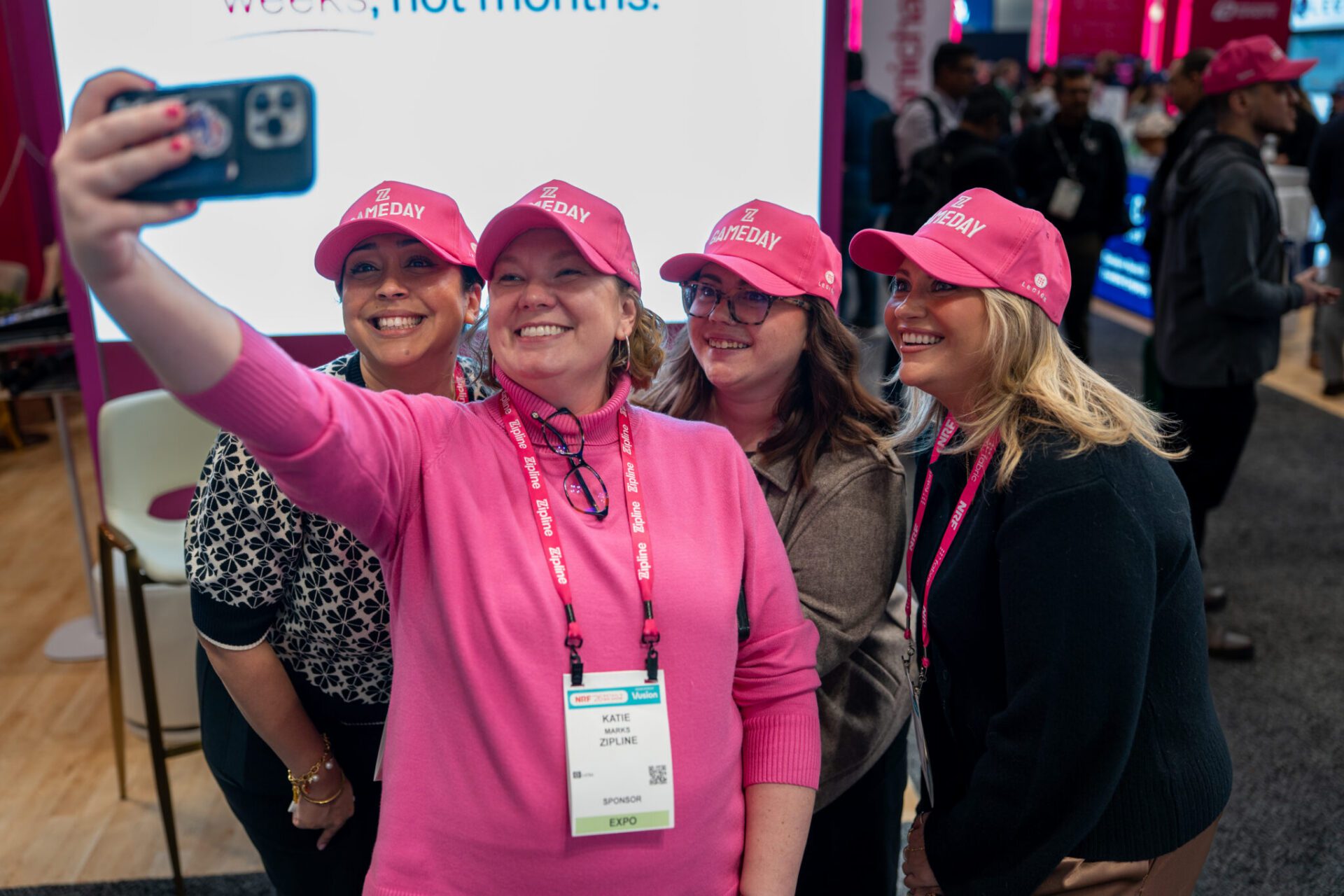
When Kate Spade asked how Zipline was working, Ashley described “resounding” excitement about being able to come into work, get what they need, “get to the floor quicker,” and support the customer.

Advice for retailers leading major change
Ashley’s advice is refreshingly practical: start with champions.
She emphasized starting with the groups you know will advocate for the change. The people who can say: this works, trust me, I have done it, let me show you.
Those champions reduce fear, shorten the learning curve, and give everyone a human place to go when questions come up. For Ashley, that has been central to change management across every implementation in their year of transformation.
👇 Watch Ashley Iasillo’s full ZipTalk from NRF:

Ready to give store teams a clearer path to execution, without adding more noise? Request a demo to see how Zipline helps retailers centralize communication, drive adoption, and keep every team aligned.
The Bigger Tapestry Story
Kate Spade’s year of transformation did not happen in isolation. It sits within a broader evolution happening across Tapestry’s portfolio of brands, including Coach.
Earlier this season, we had the opportunity to see that vision up close during a private store tour at Coach Hudson Yards. The conversation centered on what leaders called a “Single Pane of Glass” approach to store communication: one unified place where priorities live, noise is reduced, and execution becomes more intuitive on the floor.
From a store leadership lens, the impact was clear. Fewer places to check. Less guesswork. More confidence moving from message received to action completed.
👉 Read more: Inside Coach’s Single Pane of Glass approach to store communication
That clarity-first mindset also showed up on the NRF stage, where Mandeep Bhatia, SVP of Global Digital Product & Omnichannel Innovation at Tapestry, joined Melissa Wong, CEO & Co-Founder of Zipline, to talk about data, AI, and what it really means to “ignite the power of store teams.”
The throughline across both sessions was consistent: technology should remove friction, not add to it. Innovation should give associates time back, not bury them in more tools. And execution only improves when communication is centralized, intuitive, and designed for the realities of the floor.
👉 Catch the recap: How Tapestry & Zipline Are Igniting the Power of Store Teams
How Tapestry & Zipline Are Igniting the Power of Store Teams
Seen together, the Coach store tour, the Big Ideas session, and Ashley’s ZipTalk tell a cohesive story. Across brands, Tapestry is investing in clarity, visibility, and adoption at scale. The strategy may look slightly different from brand to brand, but the goal is the same: empower store teams to move faster, feel confident, and stay focused on the customer.