
Retail is full of innovation. We invest in smarter forecasting, sharper analytics, faster fulfillment, and better labor planning. Entire roadmaps are built around optimizing performance.
Communication rarely makes that roadmap, even though it is the one lever that touches every initiative, every product launch, and every operational shift. If the message does not land, execution usually does not either.
In many retail organizations, communication still lives in familiar formats: emails, PDFs, shared drives. Updates that technically reach stores, but do not always stick in the middle of a busy shift.
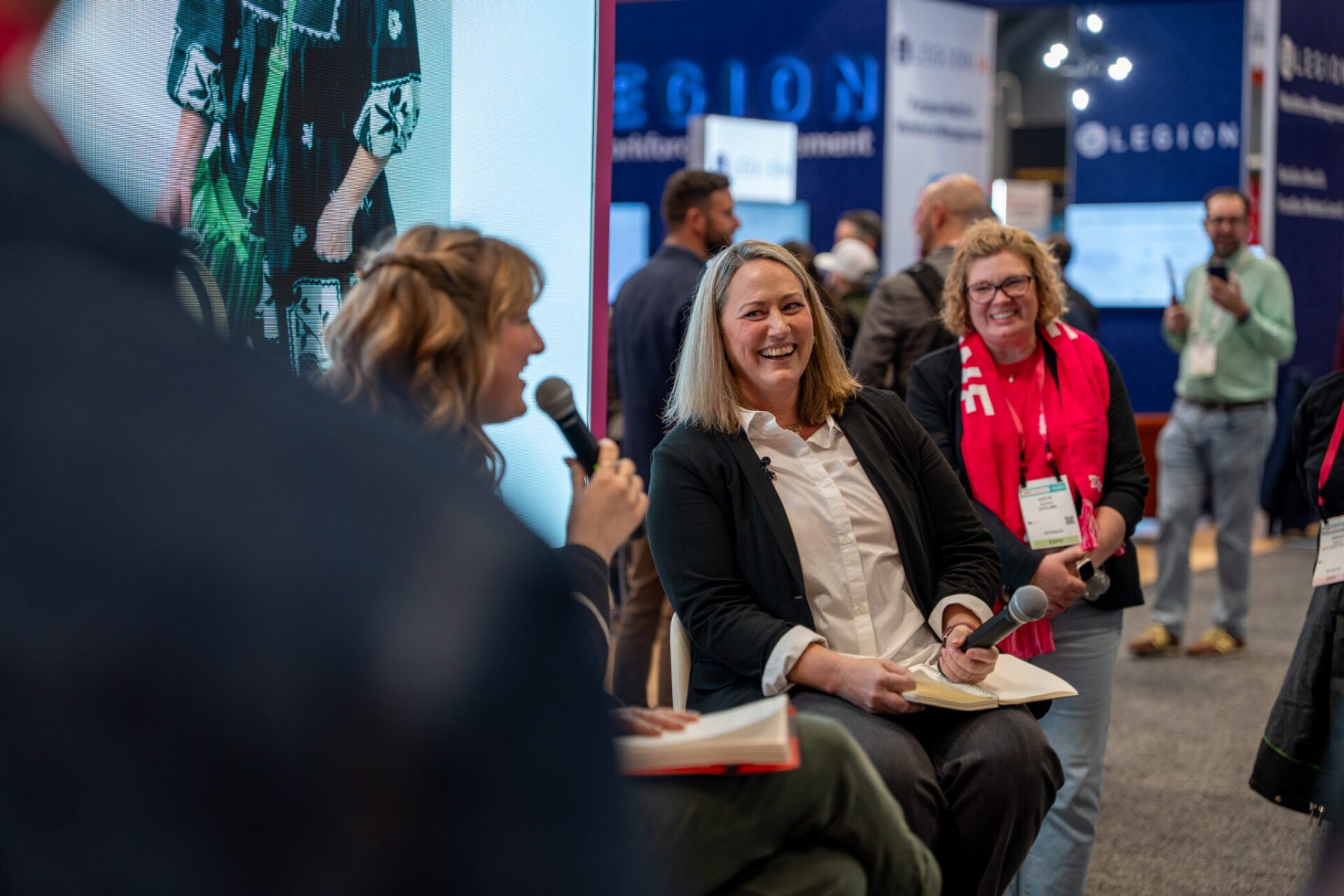
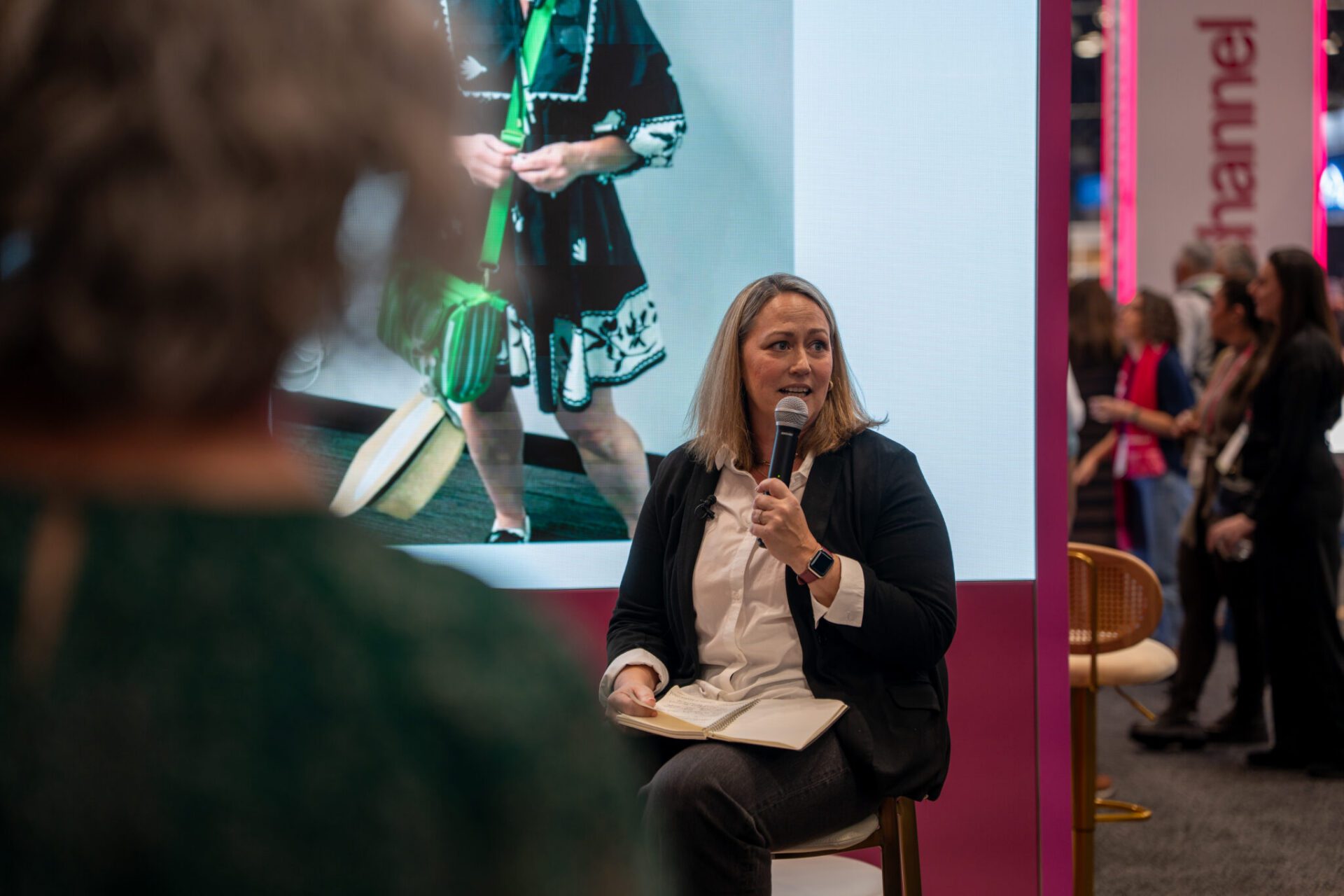
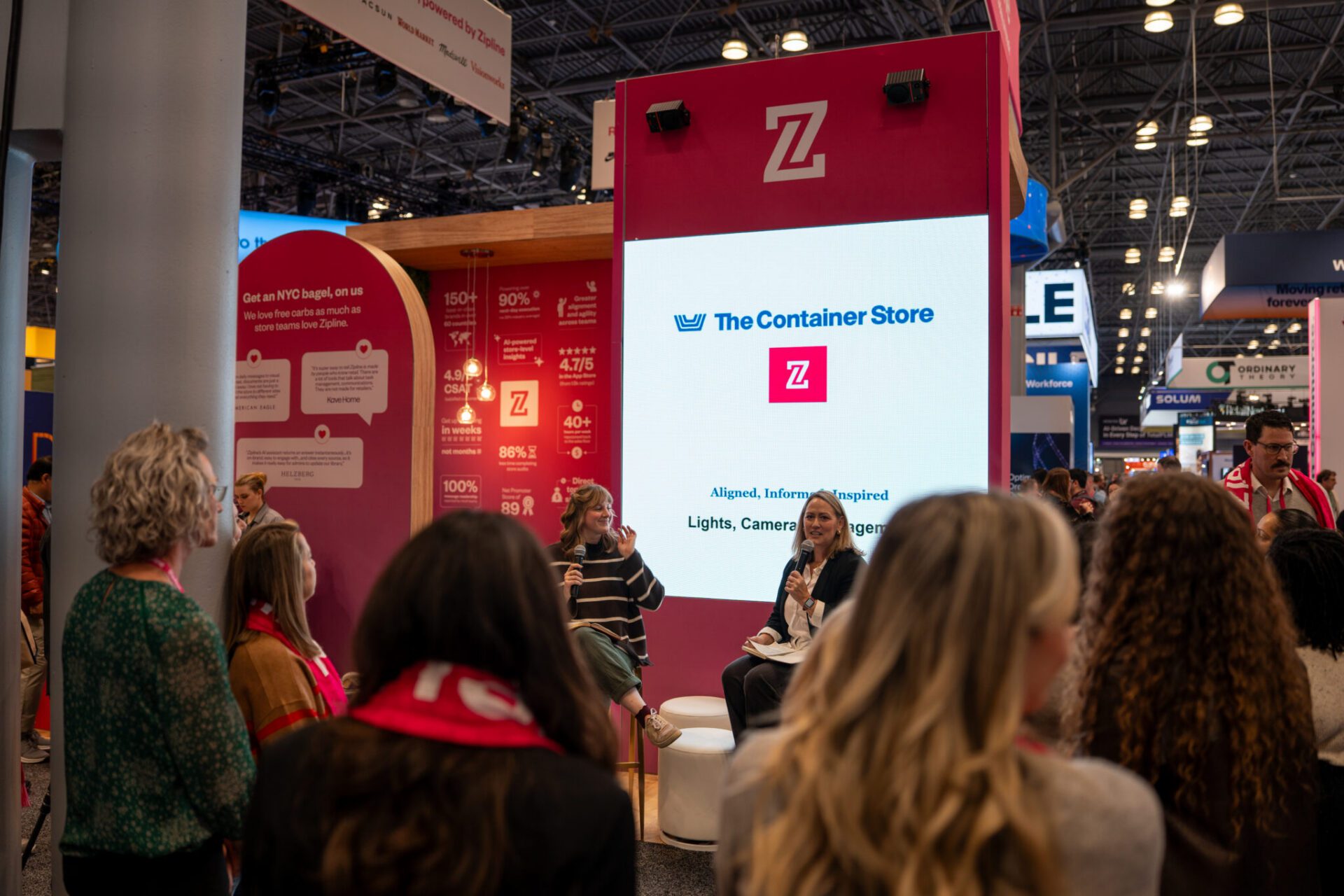
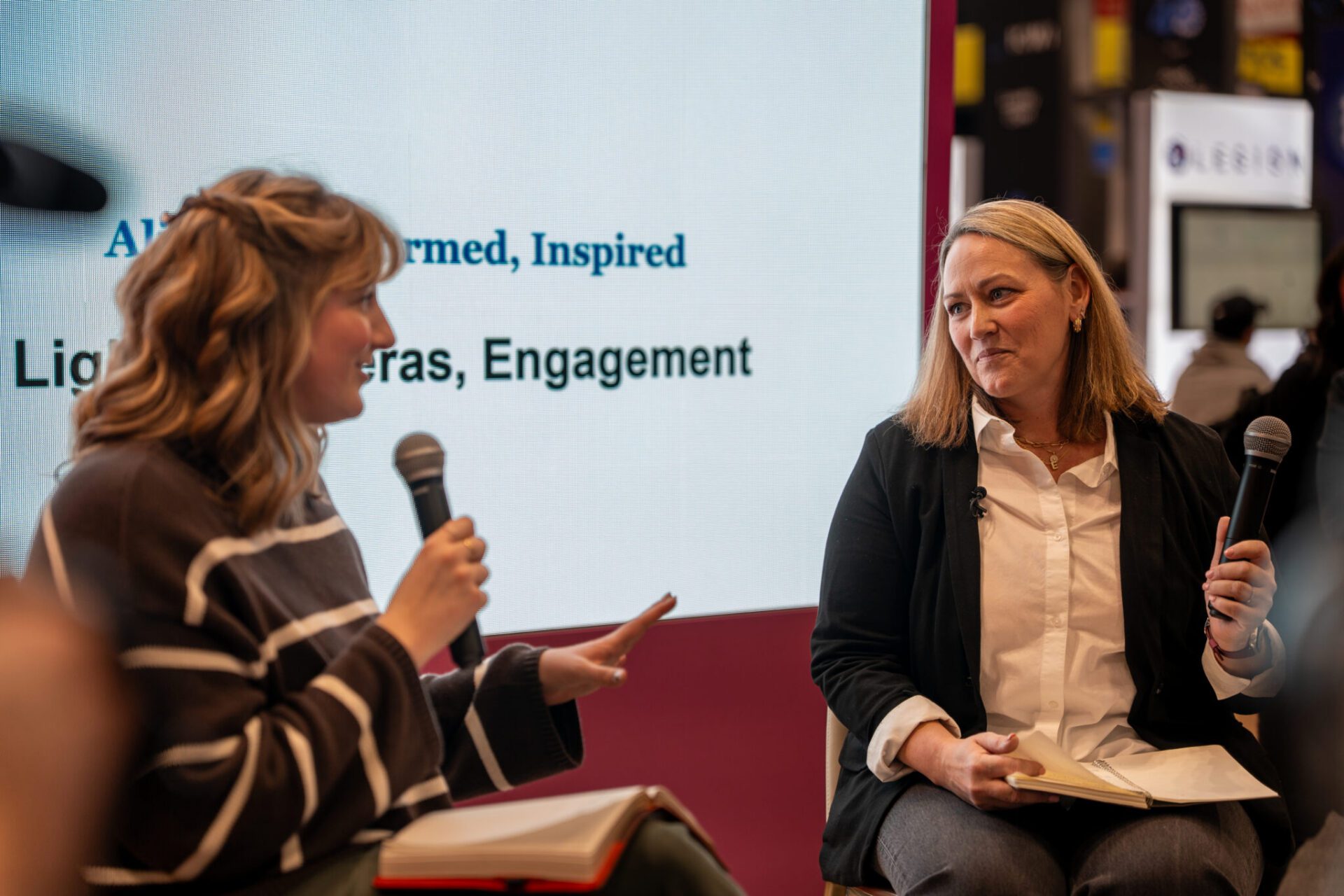
That tension was at the center of Emily Thole Stark’s ZipTalk at NRF. As Senior Store Communications Specialist at The Container Store, and with more than a decade of retail experience behind her, Emily has seen communication from both sides. She’s received it on the floor as a part-time associate, grown into store leadership, and now builds field communication from HQ.
What she noticed was not a breakdown in effort. Stores were getting information. But when communication is purely transactional, it is easy for the “what” to come through while the “why” gets lost. And in retail, where teams are balancing customers, tasks, and constant change in real time, the “why” is often the difference between a message that is read and a message that actually moves people.
Moving Beyond Static Messaging
At The Container Store, communication is taken seriously. One of the company’s foundation principles is simple: communication is leadership. The intent has always been to ensure store teams have what they need to succeed.
But intent and impact are not always the same.
“Our stores were getting the information,” Emily shared. “They were getting the what, but they weren’t getting the why.”
In practice, a lot of retail communication still relies on static formats. Long emails, documents, attachments, links. The message is there, but asks store teams to do extra work to translate it into action.
And store teams are already doing a lot. They’re navigating customers, task lists, operational shifts, and whatever surprise pops up at 2:17 p.m. on a Tuesday. Information competes with everything else happening in the day.
So the question became less about how to send more… and more about how to make the message land.
Introducing Video Into Store Communication
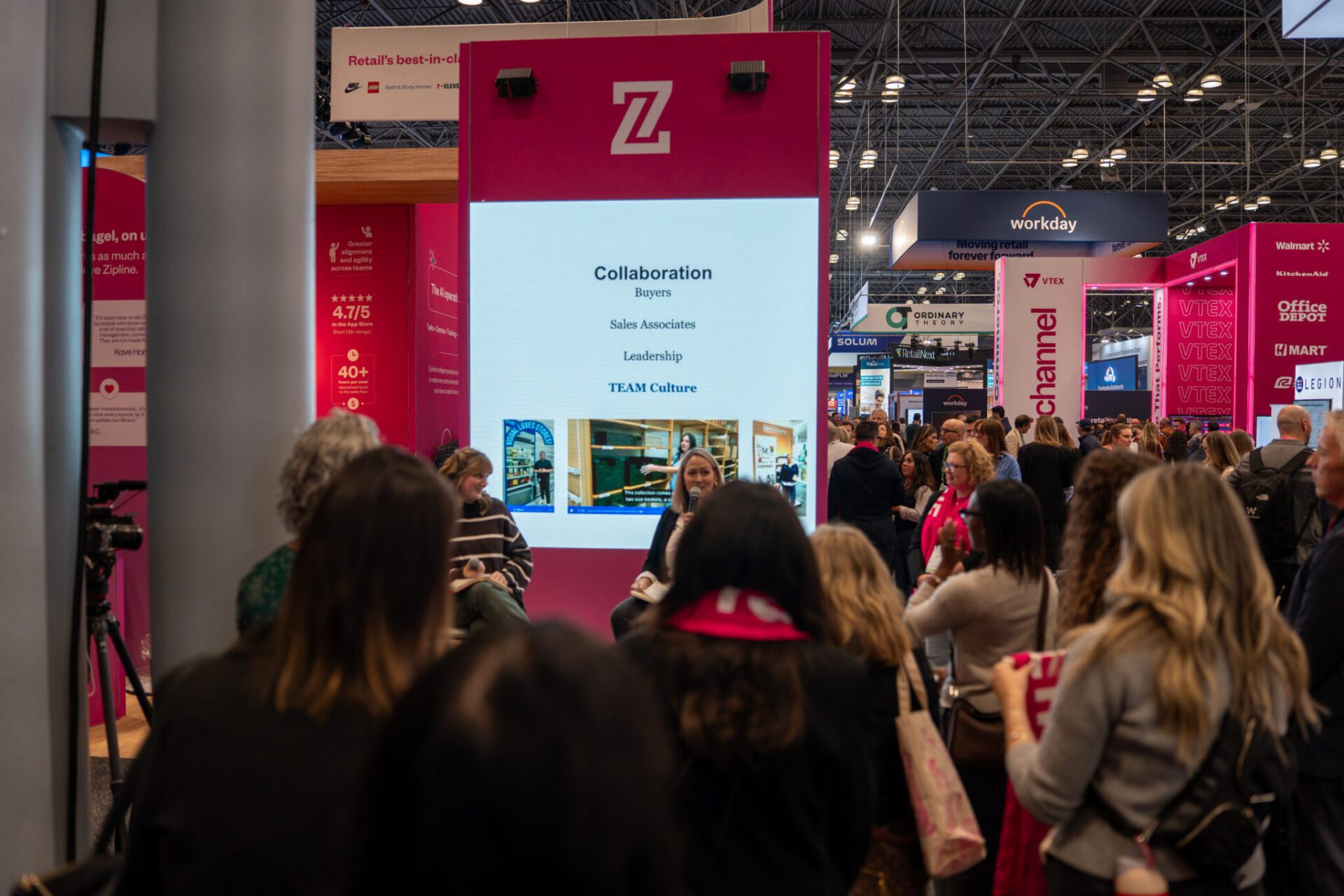
Emily and her team began experimenting with short, authentic videos as a complement to traditional messaging. The goal was not to replace operational detail. It was to add what static formats often struggle to carry: context, tone, and a little humanity.
Buyers recorded quick explanations about product launches. Leaders shared perspective around strategy. Store teams contributed examples of how initiatives were being implemented on the floor.
“We wanted to show what’s behind the information,” said Emily.
The format created space for personality, not just instruction. And it shifted ownership, too. Emily was clear that she is not the subject matter expert in every area. That is why “collaboration is key.” When buyers and store teams help create the content, it carries more weight. It feels more believable. More of “us,” less “from somewhere else.”
Importantly, video did not replace written communication. It strengthened it. A quick clip can bring the why to life, while documentation still captures the details.
Designing for Store Reality
Once the team found a format that worked, the next question was simple: where does this live?
Because even great content loses momentum if store teams have to hunt for it mid-shift.
Placement turned out to be just as important as format.
“Put it right on the dashboard,” Emily said. No attachments. No searching. No extra steps.
By embedding video directly where store teams already begin their shifts, communication became part of the workflow instead of an additional task. A quick video that clarifies purpose is easier to absorb than a document that requires interpretation, especially when the floor is busy.
The early signals were strong. Engagement, which had been sitting around 70 percent, increased by ten points in a relatively short time. Store teams began requesting more content. Alignment around major initiatives moved faster because everyone had the same visual context, not just the same bullet points.
The metrics mattered. But the more interesting shift was how it felt.

When Communication Feels Shared
The biggest change was not just that messages became easier to consume. It was that they started to sound and look like the people they were for.
“It no longer felt like the communication was coming from afar,” Emily said. “It felt like it was coming within the store.”
When buyers, leaders, and store associates appear in the content themselves, communication feels less like an announcement and more like a conversation. It reflects the people actually doing the work and respects the reality they’re operating inside of.
Emily summed up why that matters: “That tonal shift builds trust, and trust fuels execution.”
Trust shows up in practical ways. Store teams adopt initiatives faster. They speak more confidently about products. They reference shared context instead of relying on secondhand interpretation. Communication starts reinforcing culture, not just transmitting updates.

What Changed and What Stayed the Same
The introduction of video did not mean abandoning structure. Written documentation still exists. Processes remain clear. Expectations are still set.
What changed was the experience of receiving the message.
“Engagement happens when communication is human,” Emily said. “It’s not perfect and it’s not polished. It’s authentic.”
That authenticity does not require a studio or a production budget. It requires intention. It also requires variety, so communication stays engaging without turning into background noise. And it requires cross-department partnership so the people closest to the work can help shape how it’s explained.
Perhaps most importantly, Emily reframed how HQ should think about the field: “The field is not the audience. They’re also the storytellers.”
When store teams help tell the story, they are more likely to own the work behind it.
A Broader Takeaway for Retail Leaders
The Container Store’s experience reinforces a simple but often overlooked connection:
Customer experience begins with associate experience. Associate experience begins with communication that is clear, contextual, and practical.
If communication feels distant, execution slows. If communication reflects store reality, execution gets easier.
Emily’s advice to other retailers was straightforward. If the message is not landing, rethink the format. Ask store teams how they prefer to receive information. Involve them in shaping the narrative. Then test, refine, and iterate.
Communication may not always make the innovation roadmap. But it has a huge say in whether every other initiative succeeds.
👇 Watch Emily Thole Stark’s full ZipTalk from NRF:

If communication is the bridge between strategy and execution, it’s worth getting right.
Discover how Zipline helps retailers align teams, boost engagement, and drive faster adoption across every store. Request a demo today.